In New Zealand, with our rugged terrain, remote areas, islands, coastline, mountains and wilderness, helicopter rescue teams provide vital services that ground ambulances or road-based rescue can’t reliably reach. They dramatically reduce time to care, bring advanced medical support to remote locations, and significantly improve survival and recovery outcomes for seriously injured or lost individuals.
They also play a key role in national search and rescue efforts, coordinated by agencies such as Rescue Coordination Centre New Zealand (RCCNZ) and LandSAR New Zealand and working alongside police, coastguard, and other emergency-response groups
.avif)
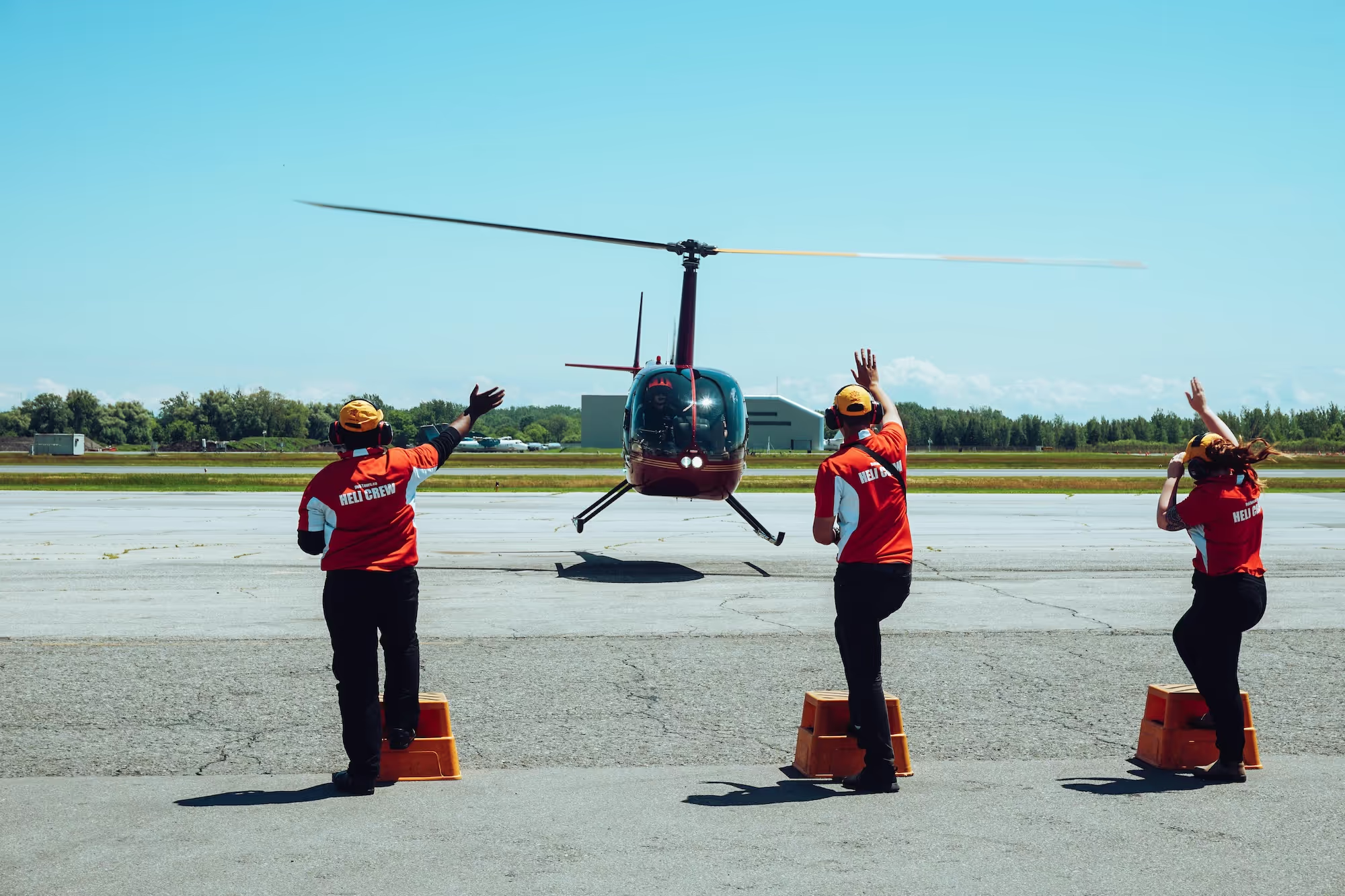
Helicopter rescue crews are the people who fly out to help when someone is lost, injured or in danger in places that are hard to reach — like mountains, forests, beaches, farms or out at sea. They work as a tight team to find people, give medical care, and bring them safely to hospital. It’s an exciting, fast-paced career for anyone who loves problem-solving, teamwork and helping others.
Beyond the obvious “fly the helicopter” or “treat the patient,” rescue crews in New Zealand take on a wide range of responsibilities. They stay ready for rapid callouts, provide advanced medical care on scene or in the air, and carry out search-and-rescue missions using specialised equipment like night-vision gear and winches. When landing isn’t possible, they perform hoist rescues from cliffs, forests or water. Clear communication with police, Coastguard and LandSAR teams is essential, and with NZ’s rugged terrain and fast-changing weather, crews must be adaptable, skilled and prepared for anything.
A rescue helicopter team usually includes a pilot, an air crew officer who helps with navigation, safety and communication, and a critical care paramedic. There isn’t just one pathway into this area - the different roles have different entry steps — but here’s how young people in NZ usually get started if they're looking to become a helicopter pilot or air-crew officer:
To become an Air Crew Officer, most young people start by finishing NCEA Level 2 or 3, with subjects like English, Maths, PE, Outdoor Education or Sciences being especially helpful. Good fitness, strong communication skills and confidence in outdoor or emergency situations are important. Many air crew officers build experience through activities such as surf lifesaving, firefighting, St John Youth, or Defence Force cadet programmes before moving into specialist aviation or rescue training with their employer or organisations like the NZ Defence Force or Coastguard.
To become a Helicopter Pilot, students generally complete NCEA Level 3, often finding Maths and Physics useful for understanding navigation and flight principles. From there, aspiring pilots train through an approved New Zealand flight school, first gaining a Private Pilot Licence (PPL) and then progressing to a Commercial Pilot Licence (CPL) with helicopter ratings. Most pilots spend time building flight hours in areas like tourism, agriculture or commercial transport before moving into rescue work.
.avif)
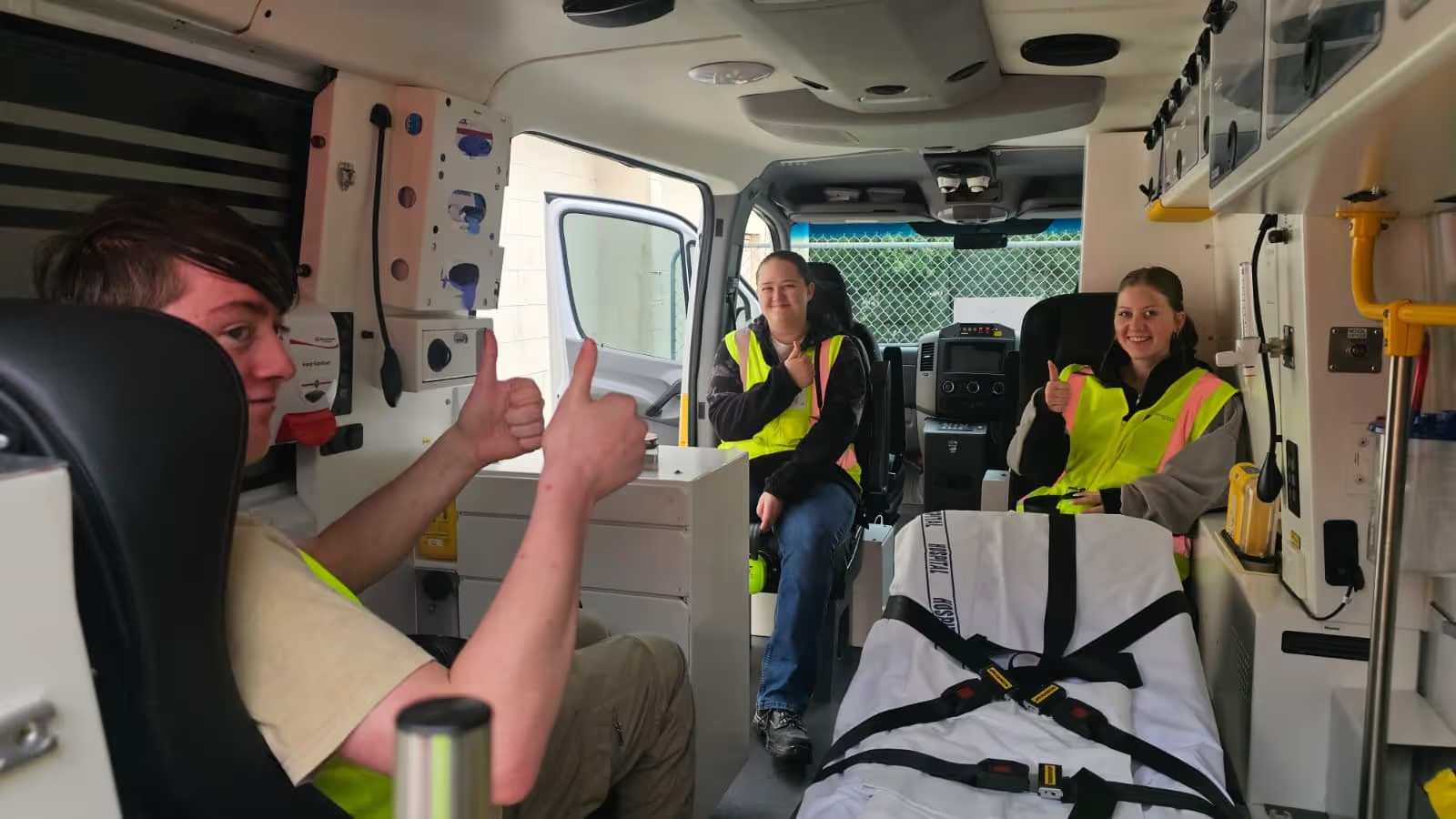

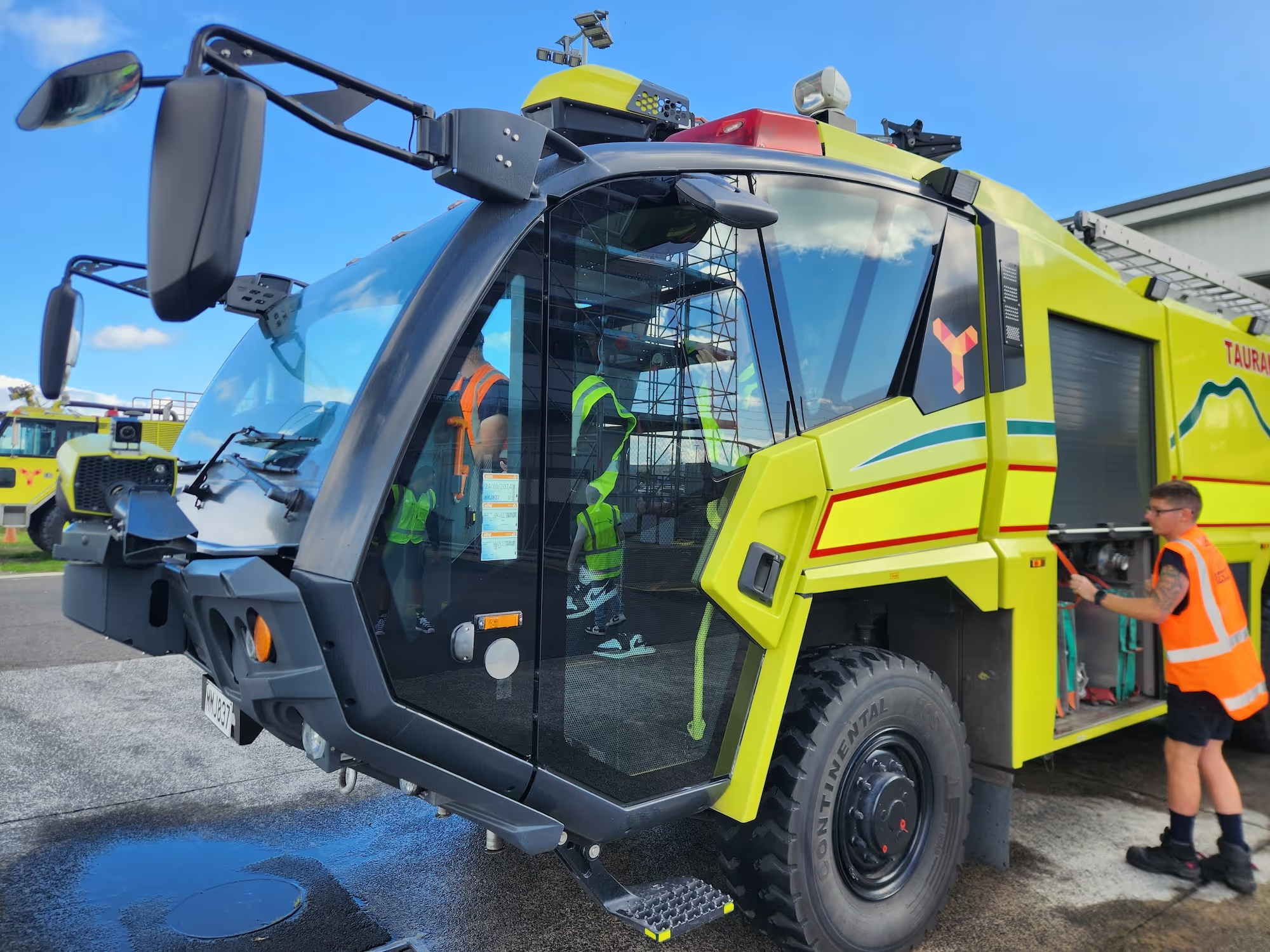
A hands-on career that combines emergency response, safety management, and teamwork, giving you the chance to make a real impact on airport operations and passenger safety every day

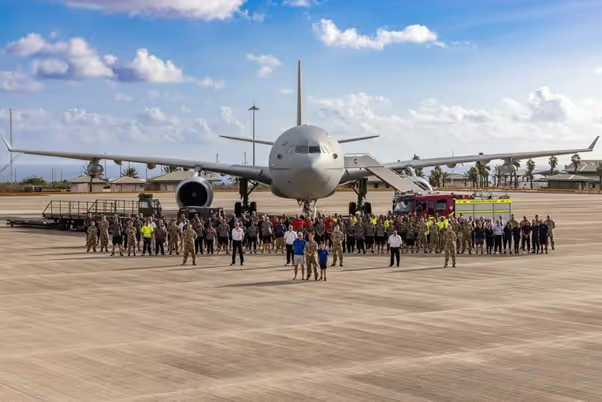
A career in the Air Force offers a dynamic pathway for individuals who want to serve their country while developing advanced skills in aviation, technology, leadership, and teamwork.
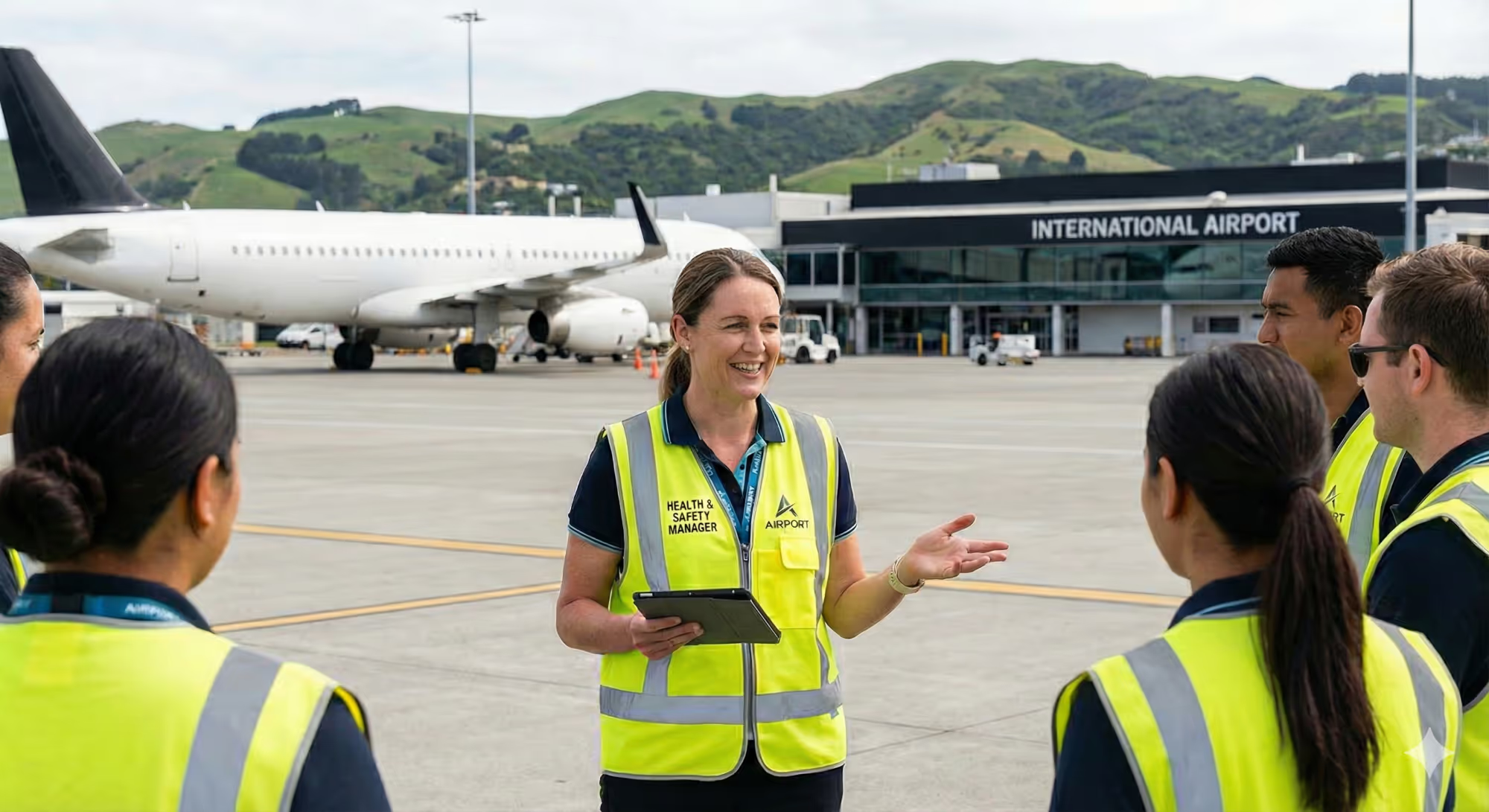
An Airport Health & Safety Manager oversees the policies, procedures, and programs that ensure the safety, wellbeing, and regulatory compliance of everyone working in or passing through an airport environment.
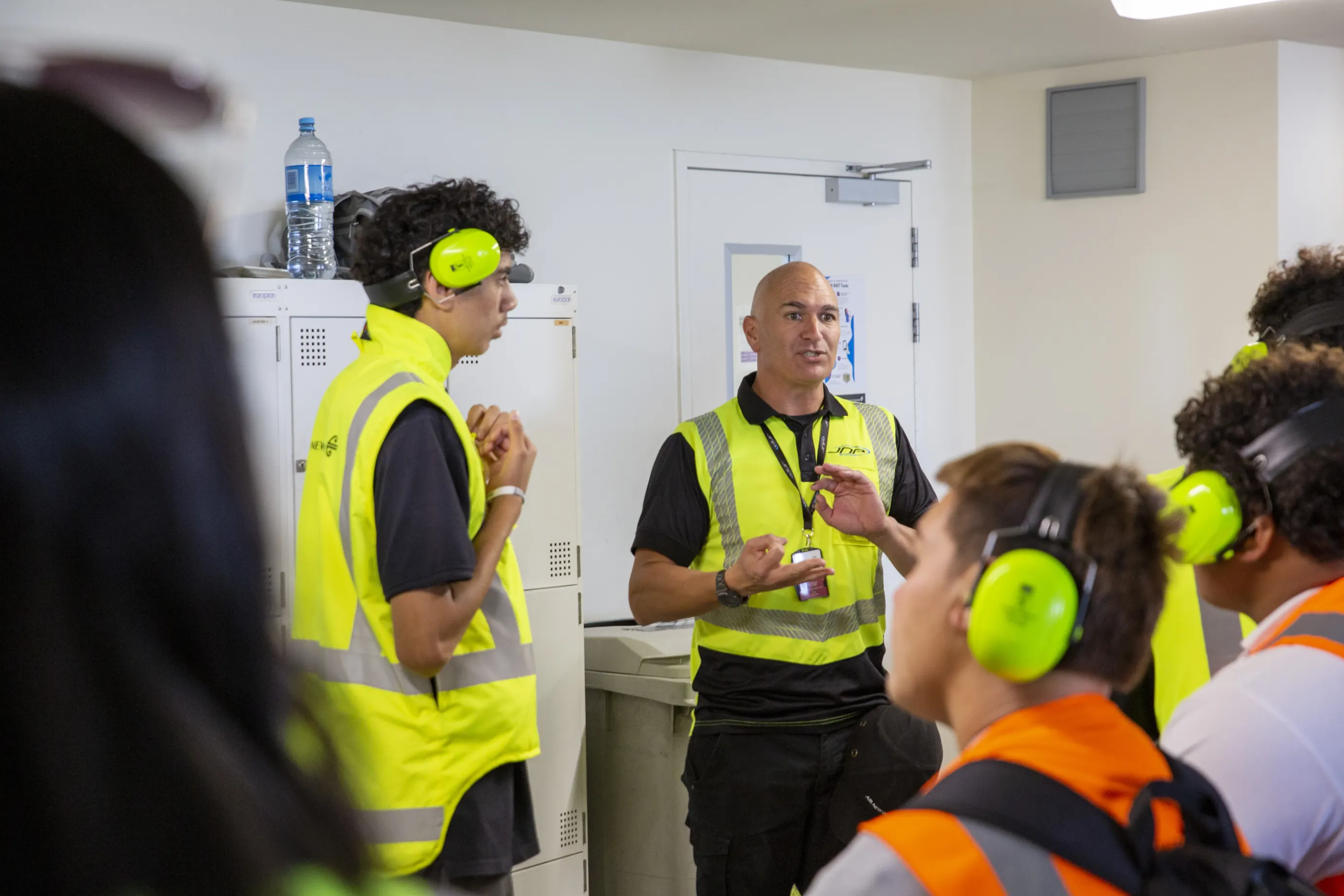
We do more than just teach aviation - we immerse you in it!
When you learn with us you are trained by experienced industry experts where the action happens - in fully equipped aviation workshops and Aero Clubs, utilising our ATR-72 training aircraft and industry-replica ground handling equipment, and with behind-the-scenes exposure in your local airport.
Everything we do is designed to give you a true-to-life learning experience.


