
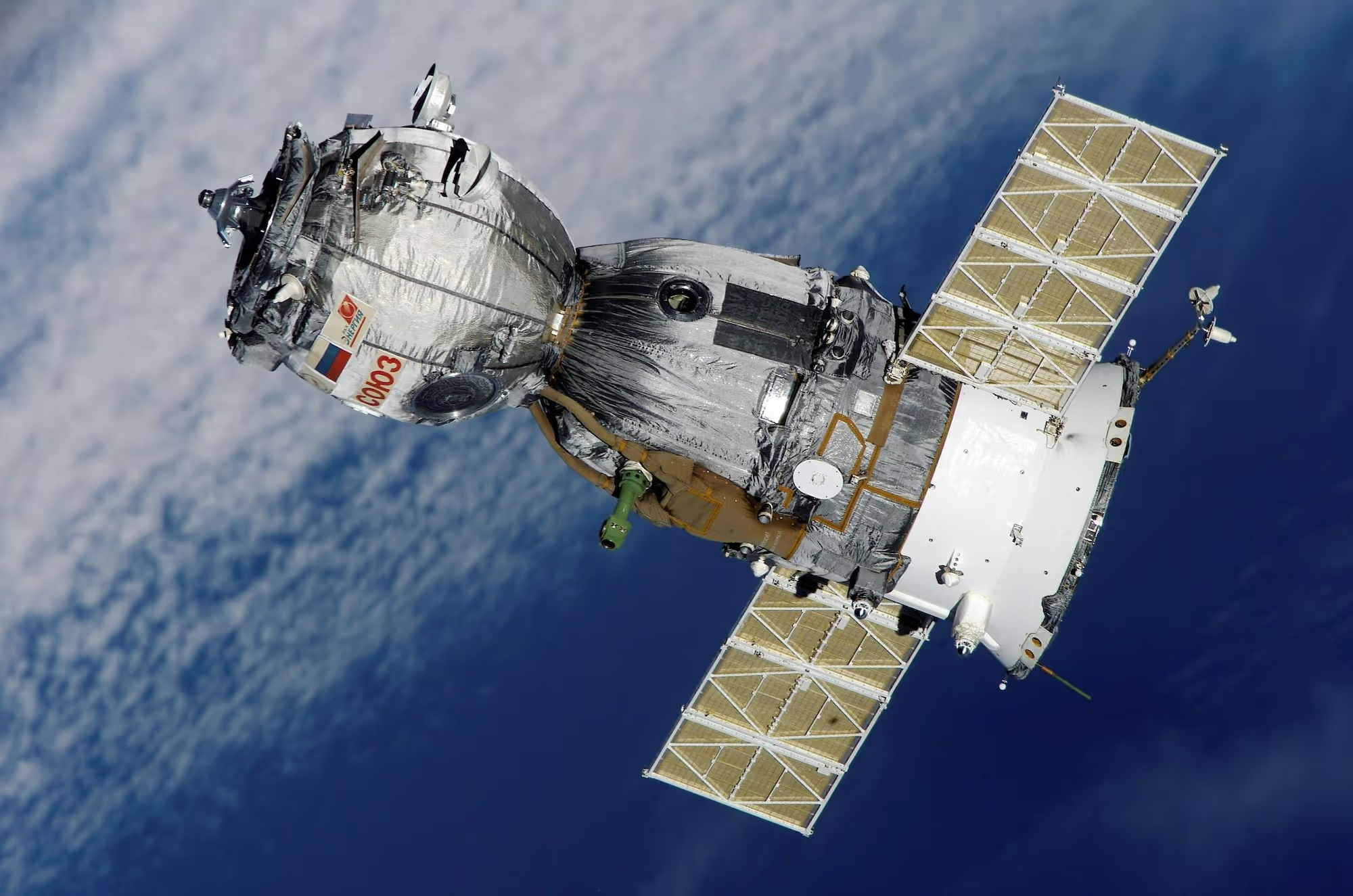
Aerospace engineers develop leading-edge technologies and integrate them into aerospace vehicle systems used for transportation, communications, exploration, and defense applications. This involves the design and manufacturing of aircraft, spacecraft, propulsion systems, satellites, and missiles, as well as the design and testing of aircraft and aerospace products, components, and subassemblies.
The field has traditionally focused on problems related to atmospheric and space flight, with two major and overlapping branches: aeronautical engineering and astronautical engineering.

.avif)
Aerospace engineers work primarily in the aerospace industry, at systems and software suppliers, corporate labs, government labs, and universities. The skill set of aerospace engineers is extremely broad and multidisciplinary, and the experience of aerospace engineers as systems architects and engineers allows them to make contributions in many diverse sectors.
To become an aerospace engineer in NZ, you can either enter the field through study like a Bachelor of Engineering with a specialisation in aeronautical engineering, or you might choose to purse an apprenticeship and certification while gaining industry experience. Our New Zealand Certificate in Aeronautical Engineering (Pre-employment skills) level 3 is the industry standard to secure an apprenticeship role in the aviation and aeronautical engineering industry where you then continue to train and earn certification in the workplace. Following either route, you would ultimately need to gain relevant workplace experience and then professional registration as a Chartered Professional Engineer through Engineering New Zealand.
As an aerospace engineer, you could work on designing, testing, and maintaining aircraft, spacecraft, satellites, or missiles. Your day might involve using CAD software to create 3D models, analyzing aerodynamics and structural performance, developing prototypes, running flight tests, or integrating complex mechanical, electrical, and software systems. Careers can span research and development, manufacturing, propulsion and control systems, or operations and maintenance, giving you the opportunity to solve challenging problems, innovate with advanced materials, and ensure vehicles are safe and efficient in flight or space.
.avif)


A LAME is the person officially licensed by a national aviation authority (like NZCAA) to certify that an aircraft is safe and fit to fly after maintenance has been performed.

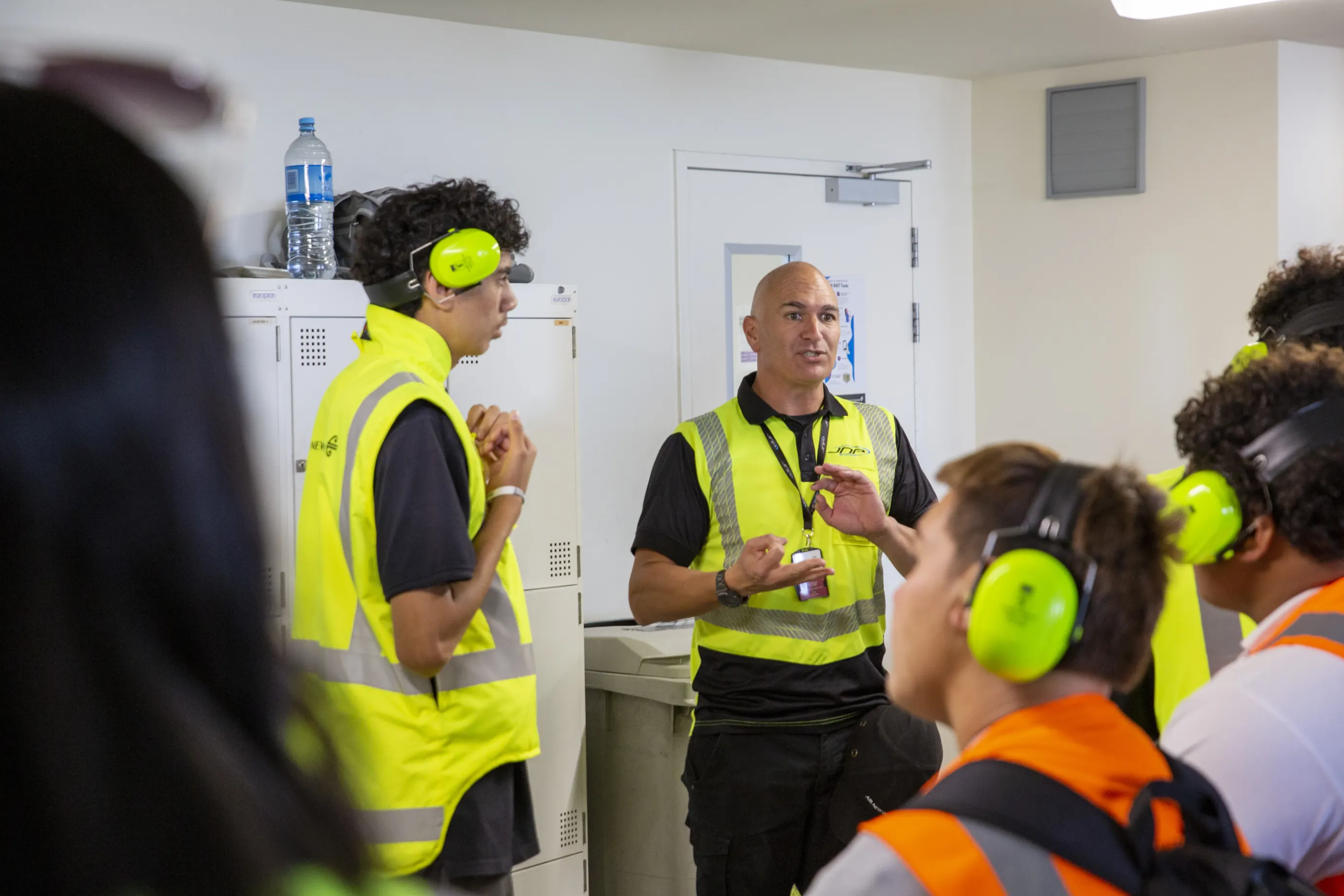
We do more than just teach aviation - we immerse you in it!
When you learn with us you are trained by experienced industry experts where the action happens - in fully equipped aviation workshops and Aero Clubs, utilising our ATR-72 training aircraft and industry-replica ground handling equipment, and with behind-the-scenes exposure in your local airport.
Everything we do is designed to give you a true-to-life learning experience.


